It starts innocently. A pair of +1.5 readers for the paperback, a slightly weaker pair that lives by the laptop, and an old pair of distance glasses for the television that you keep forgetting in the car. By the time most of us reach our late forties, the morning routine includes a small hunt. Which pair is this? Where did I leave the other one? Why can I read the recipe but not the oven clock?
That is the quiet friction behind a whole category of advertising you have probably seen: headlines about pensioners swapping designer eyewear for affordable “smart” glasses, or one pair that “replaces every pair you own”. Strip away the excitement and the product is usually a ready-made multifocal, also called a progressive or multi-focus reader. One lens, several working distances, no visible line.
The idea is genuinely useful. The first month, though, is not always smooth, and the people who give up tend to do so in week one, just before things settle. So rather than another product round-up, we followed the most common first-month questions in order.
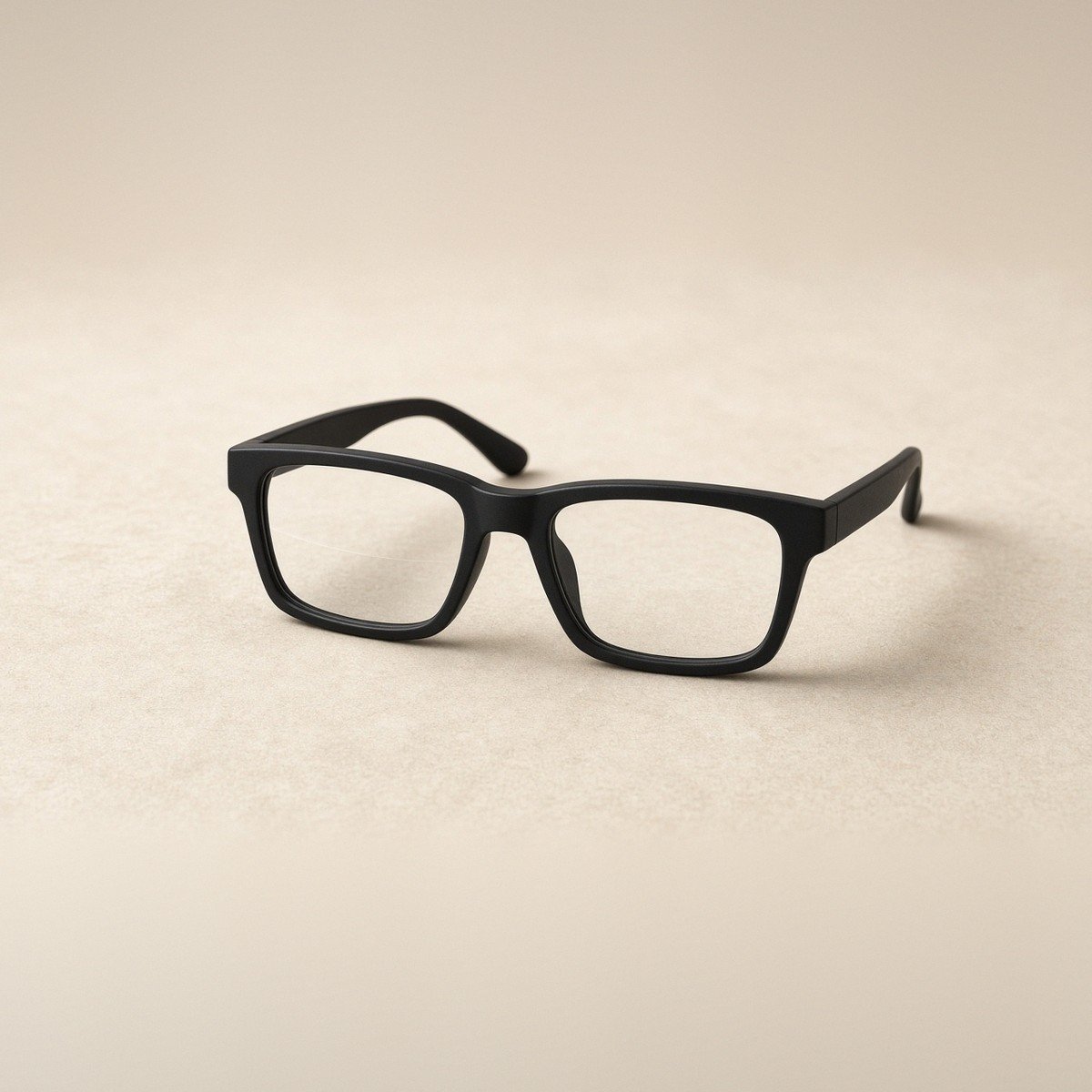
How a progressive lens is laid out
Picture the lens as a map rather than a single magnifier. The upper part is set for distance, or for very mild correction in ready-made readers. As your eye travels down through the middle, the power increases gradually through what opticians call the corridor, which handles intermediate distance: a laptop, a dashboard, a shop shelf at arm’s length. The lower part carries the full reading power for a phone, a book or a medicine label.
Because the power changes smoothly instead of jumping, there is no bifocal line and no image jump. The trade-off sits at the edges. Down the left and right sides of the lower lens are softer zones where the image can look slightly swimmy. Every progressive lens has them; design quality and frame depth decide how wide the clear corridor feels.
Point your nose at what you want to see, then let your eyes settle into the right height. That single habit is most of the learning curve.
This is why the advice sounds odd at first: turn your head, not just your eyes. In single-vision readers you can glance sideways and still be sharp. In a multifocal, a sideways glance through the lower lens lands in the soft zone. Turn your head a little and you are back in the corridor.
Week one: the wobble
Day one is usually a mixture of delight and mild seasickness. Reading the newspaper and then looking up at the room without swapping glasses feels like a small luxury. Walking down stairs while looking through the bottom of the lens does not. The steps can look closer than they are, because you are viewing them through reading power.
Our composite reader, a retired school administrator in the Midlands whose questions shaped this piece, described the first evening as “reading fine, walking careful”. That is typical. The practical fix is to tilt your chin down slightly on stairs and kerbs so that you look through the upper part of the lens, or simply to take the glasses off for stairs until the brain has learned the map.
- Wear them for short sessions at a desk or in an armchair first.
- Keep the frame pushed fully up the bridge of the nose; a slipping frame moves every zone.
- Avoid judging them on a long drive or a busy station on day one.
Week two: learning the corridor
By the second week most people stop thinking about where the zones are. The brain does what it does with any new tool: it automates the movement. You lift your chin slightly for the laptop, drop your gaze for the phone, and glance over the top when someone enters the room.
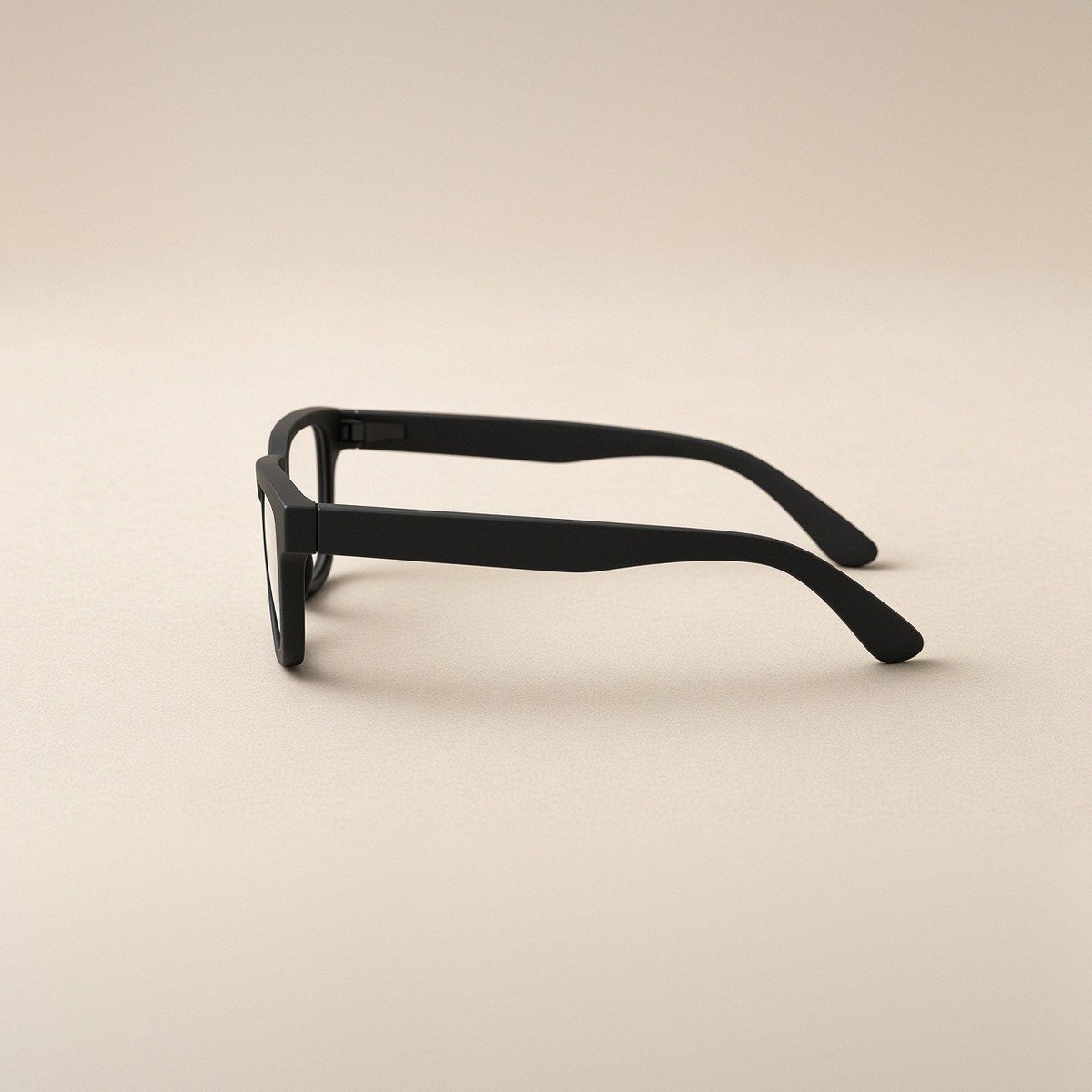
This is also the week when fit starts to matter. If the frame sits too low on your face, the reading zone ends up near the bottom rim and you find yourself raising the phone to your chin. If it sits too high, the laptop feels slightly blurred. A lightweight frame with adjustable or well-shaped nose contact keeps everything where it should be, which is why so many specialists photograph the frame from the side, temples and all.
The second week is not about the lens getting better. It is about you no longer noticing it.
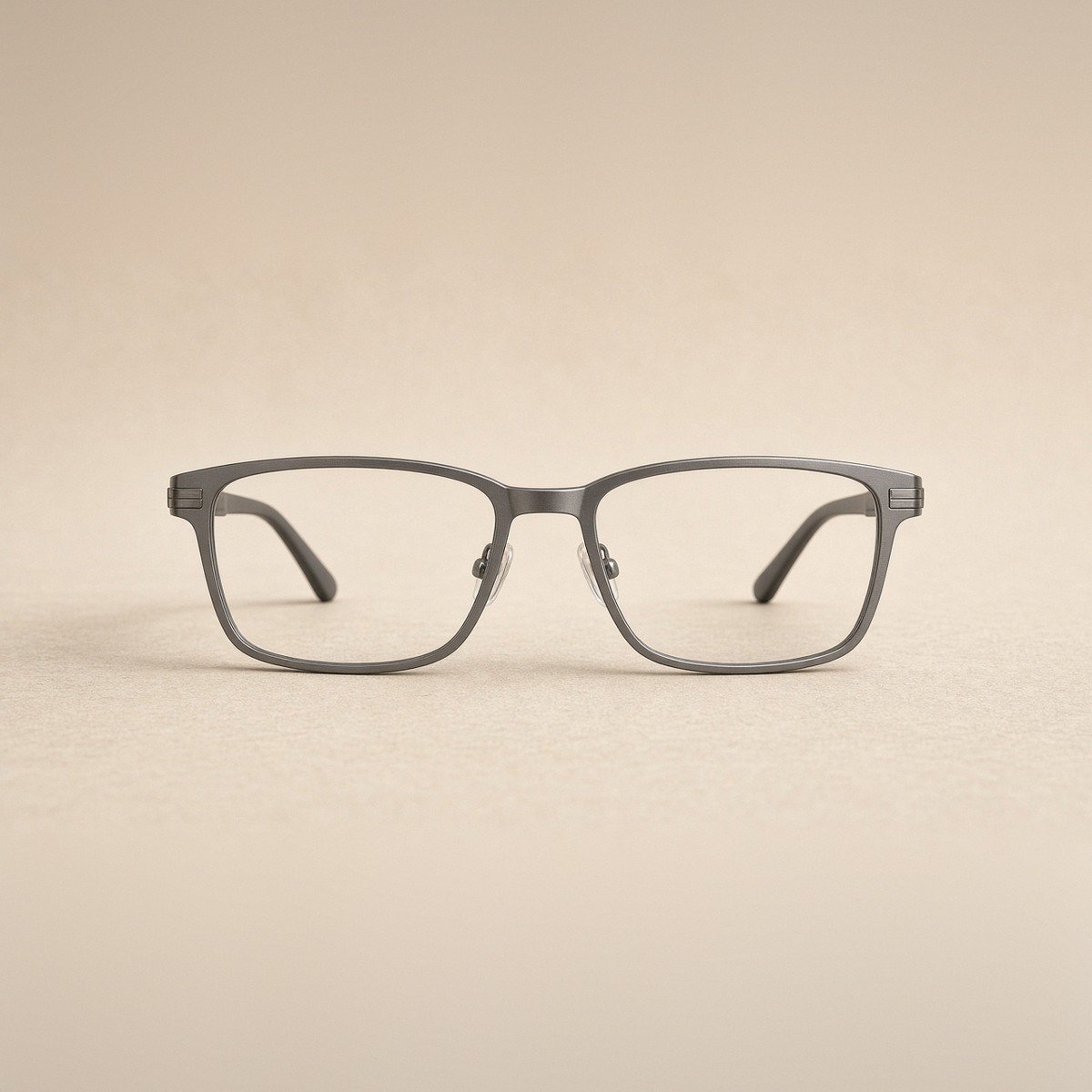
Weeks three and four: the frame disappears
If the strengths suit you, the end of the first month is when the pair becomes simply “my glasses”. The bedside collection of readers moves to a drawer. You notice that you stopped hunting for the other pair, which is precisely the point.
It is also an honest checkpoint. If you still feel strain at the laptop, or reading feels like hard work after a few weeks, the strength may be wrong for you, or your eyes may need a proper examination. Ready-made multifocals are made in standard strengths with the same power in both lenses and a standard distance between the optical centres. They are a convenience product for people with fairly simple needs, not a replacement for a prescription where one is needed.
Where one frame earns its keep
The real test is the ordinary day. These are the moments readers most often mention once they have settled in:
Kitchen
Recipe on the tablet, pan on the hob, timer on the oven, all without changing glasses.
Desk
Emails through the middle of the lens, the printed letter through the bottom, the clock on the wall over the top.
Supermarket
Aisle signs clear, then the small print on a label after a slight chin tilt.
Garden
Seed packets and secateurs up close, the far border without hunting in a pocket.
One caution worth repeating: if you drive, follow the legal eyesight standard and your optometrist’s advice. A ready-made reader is not a substitute for prescribed driving glasses.
Readers, bifocals, varifocals: how they compare
| Single-vision readers | Bifocal readers | Ready-made multifocals | Prescription varifocals | |
|---|---|---|---|---|
| Distances covered | One | Two | Near, mid and far | Near, mid and far |
| Visible line | No | Yes | No | No |
| Adaptation | None | A few days | About one to four weeks | About one to four weeks |
| Personal measurements | No | No | No, standard strengths | Yes, fitted by an optician |
| Typical cost | Lowest | Low | Moderate | Highest |
The middle column is where most of the advertising sits, and it fills a real gap: people whose eyes are otherwise healthy, who mainly need help up close, and who are tired of juggling pairs.
Questions readers ask
Will I get headaches?
Some people notice mild eye fatigue in the first days while they learn the head movement. It should ease. If it does not, or if you get persistent headaches, stop wearing them and see an optometrist.
Which strength should I choose?
Most people start from the strength of the readers they already use for a book. Specialist retailers usually publish a strength guide; if you are between strengths, the lower one tends to be more comfortable for screen work.
Can I wear them all day?
Many people do once adapted, especially indoors. Outdoors and for driving, follow your optician’s guidance.
What if I already have prescription varifocals?
Ask your optician before swapping. A ready-made pair can be a handy spare for the garden or the kitchen, but it will not match a personalised prescription.
Before you buy
Look for three things on the product page: the whole frame photographed, temples included, so you can judge how it will sit; a clear list of available strengths; and UK delivery and returns written in plain English. A thirty-day window is ideal, because it covers the whole adaptation period described above.
The matte black Billi multi-focus readers we have photographed throughout are stocked by a UK specialty eyewear retailer, alongside other multi-focus styles.
Sponsored
See the Billi multi-focus readers, available strengths and current price at the UK specialty optician.
View Billi multi-focus readers Browse the full multi-focus collectionAffiliate link: we may receive a commission if you buy through this link, at no extra cost to you.
Read our earlier feature on why UK readers are choosing multifocal frames →